What Happens to Dry Chemical Powder During Shipping
Introduction
For global buyers, ensuring the quality of dry chemical powder does not end at the factory. In fact, one of the most overlooked stages in the supply chain is transportation. Many importers receive ABC powder that looks different from the original sample, performs inconsistently, or shows reduced fire suppression efficiency after delivery.
This situation often creates confusion. Buyers may question whether the supplier reduced quality, whether the dry chemical fire extinguishing agent was improperly stored, or whether the formulation itself is unstable. In reality, the issue is frequently linked to shipping conditions rather than production.
Ocean transportation exposes dry chemical powder to humidity, temperature fluctuations, pressure changes, and long transit periods. These factors can directly influence the behavior of monoammonium phosphate, which is the core component of most ABC powder formulations.
Understanding what happens during shipping helps buyers control risks, maintain consistent fire suppression efficiency, and avoid costly disputes.
Why Shipping Conditions Matter
Unlike local transportation, international shipping involves extended exposure to uncontrolled environments. A container carrying dry chemical powder may travel for weeks across different climate zones.
During this period, ABC powder may experience:
High humidity levels inside the container
Drastic temperature differences between day and night
Long periods without inspection or ventilation
Pressure from stacking and movement
Each of these factors can affect the structure and performance of the dry chemical fire extinguishing agent.
Even when high-quality monoammonium phosphate is used, improper handling during shipping can reduce fire suppression efficiency before the product even reaches the customer.
Moisture: The Biggest Threat
Among all shipping risks, moisture is the most critical factor affecting dry chemical powder.
How Moisture Enters the Container
Even sealed containers are not completely dry environments. Moisture can come from:
Humid air trapped during loading
Condensation caused by temperature changes
Water vapor from surrounding cargo
Small leaks or poor sealing
Because ABC powder contains monoammonium phosphate, which is hygroscopic, it easily absorbs moisture from the environment.
Impact on Dry Chemical Powder
Once moisture is absorbed, dry chemical powder begins to change:
Particles stick together
Flowability decreases
Discharge becomes uneven
Caking may occur
These changes directly reduce the performance of the dry chemical fire extinguishing agent and lower fire suppression efficiency.
In severe cases, the extinguisher may fail to discharge properly, creating serious safety risks.
Temperature Fluctuations and Their Effects
Temperature variation during shipping is another key factor influencing dry chemical powder.
What Happens During Temperature Changes
Containers can heat up significantly during the day and cool down at night. This repeated cycle can:
Weaken surface coatings on particles
Accelerate chemical reactions
Increase internal moisture movement
Affect the stability of monoammonium phosphate
For ABC powder, these changes may not be immediately visible, but they gradually reduce product reliability.
Effect on Fire Suppression Efficiency
As the internal structure of the dry chemical fire extinguishing agent changes, its ability to disperse evenly and react effectively during a fire is reduced.
This leads to lower fire suppression efficiency, especially in critical situations where consistent performance is required.
Packaging: The First Line of Defense
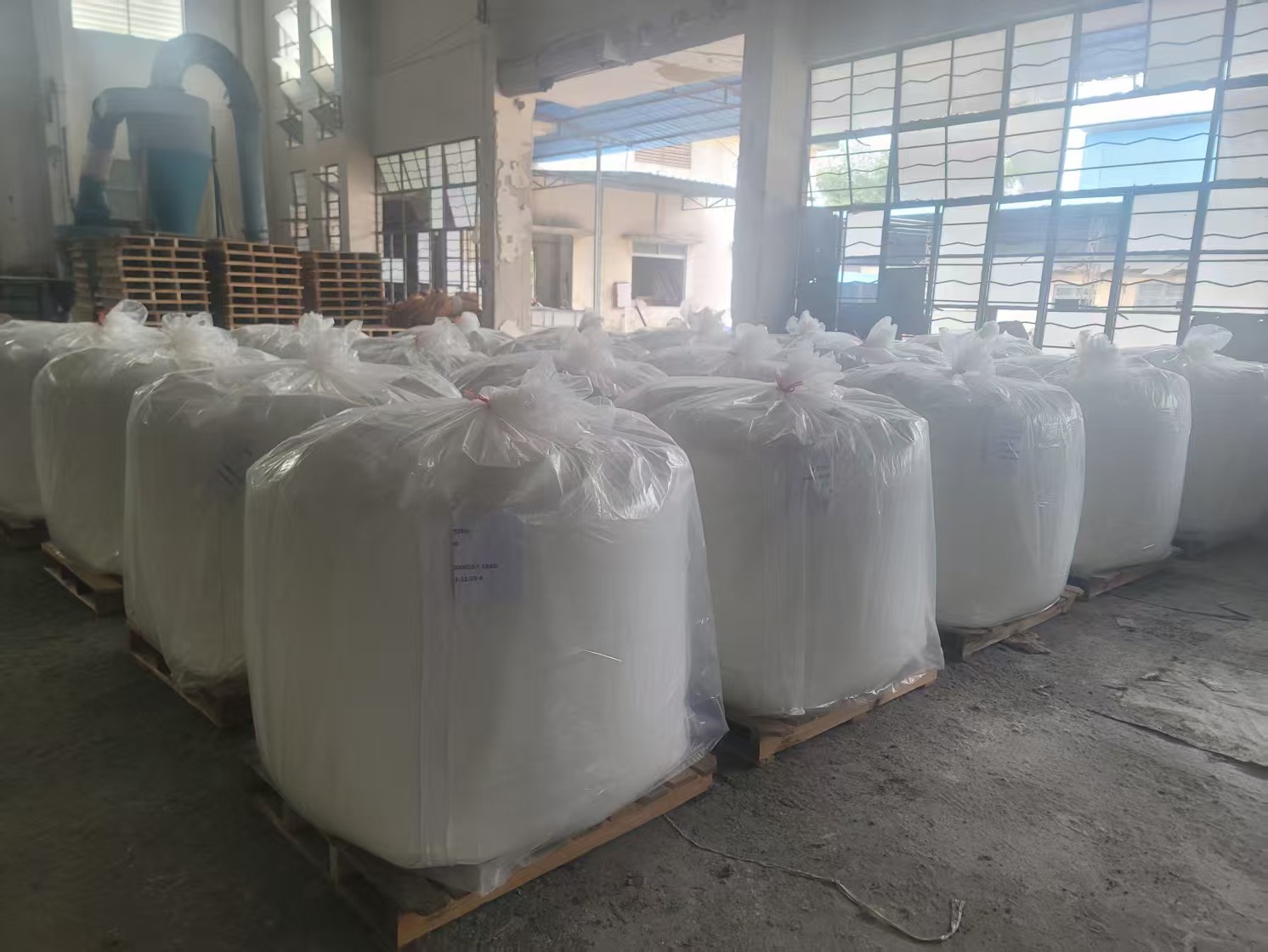
Packaging plays a vital role in protecting dry chemical powder during transportation.
Common Packaging Problems
Many low-cost suppliers use packaging that is not suitable for long-distance shipping, such as:
Thin plastic bags
Weak sealing systems
Low-strength fiber drums
Lack of moisture barriers
When packaging fails, ABC powder is exposed to air and humidity, accelerating degradation.
Why Packaging Matters for ABC Powder
Because monoammonium phosphate is sensitive to moisture, proper packaging is essential to maintain the integrity of the dry chemical fire extinguishing agent.
Good packaging helps preserve:
Powder flowability
Chemical stability
Long-term storage performance
Fire suppression efficiency
The Hidden Risk of Long Transit Time
Time is another important factor affecting dry chemical powder quality.
Why Longer Shipping Increases Risk
The longer ABC powder remains in a container:
The more moisture it can absorb
The more coating degradation occurs
The higher the chance of caking
The greater the loss in fire suppression efficiency
Even high-grade monoammonium phosphate cannot completely resist long-term exposure to poor conditions.
Real Impact on Buyers
By the time the dry chemical fire extinguishing agent arrives, it may:
Look different from the original sample
Perform worse during discharge tests
Fail to meet expected standards
This often leads to disputes between buyers and suppliers.
Improper Container Loading
Another overlooked factor is how the container is loaded.
Common Loading Mistakes
Improper practices include:
Placing dry chemical powder directly on the container floor
Not using pallets
Mixing with wet or moisture-sensitive cargo
Failing to use desiccants
These mistakes expose ABC powder to unnecessary environmental stress and reduce fire suppression efficiency.
Best Practices
Professional exporters take extra steps to protect the dry chemical fire extinguishing agent, such as:
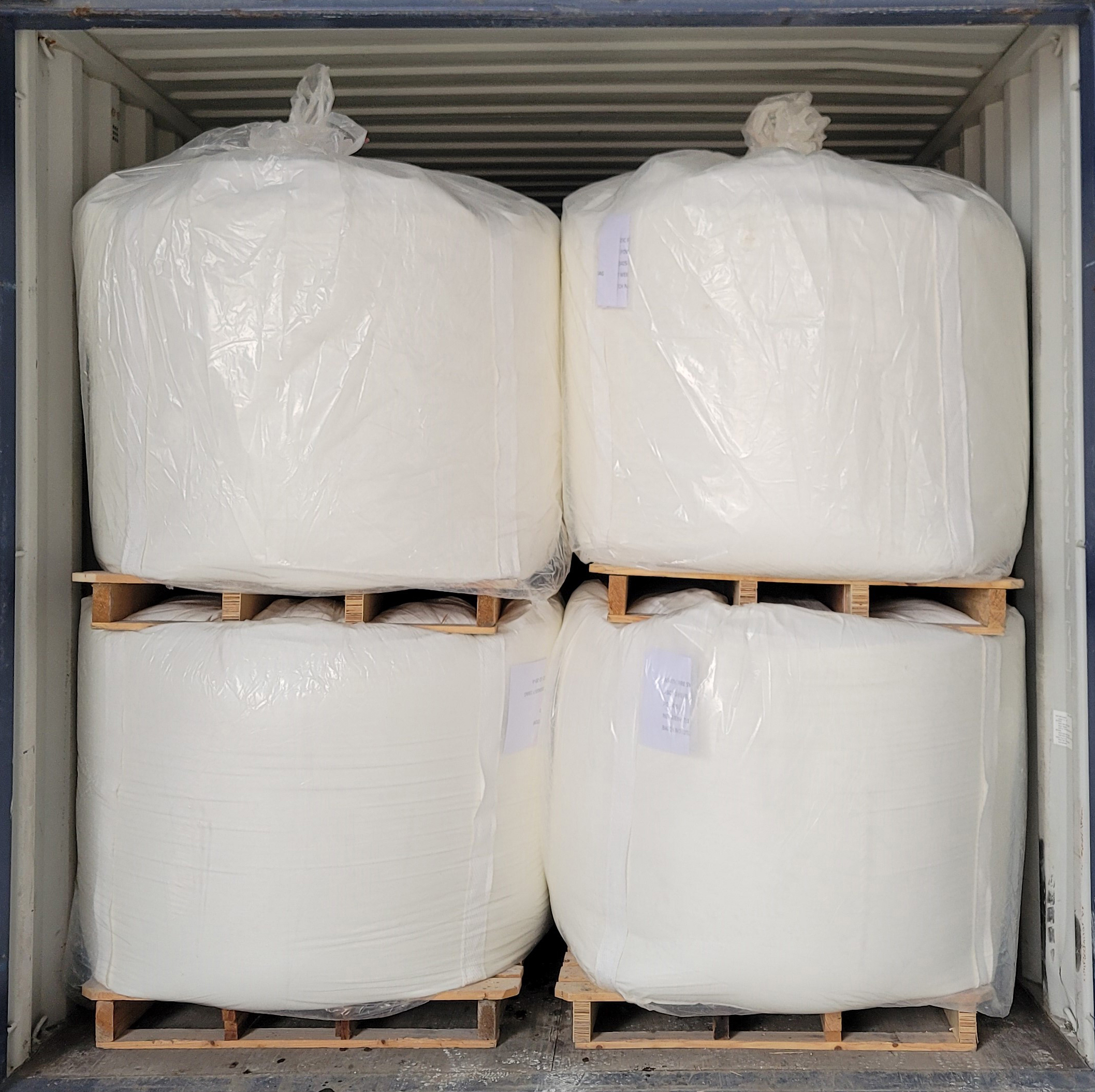
Using pallets to elevate cargo
Adding moisture absorbers
Ensuring clean and dry containers
Separating incompatible goods
How to Protect Dry Chemical Powder During Shipping
To maintain consistent fire suppression efficiency, both suppliers and buyers should take preventive measures.
Use High-Quality Packaging
Ensure that dry chemical powder is packed in:
Sealed inner bags
Moisture-resistant outer drums
Reinforced export packaging
This protects ABC powder and stabilizes monoammonium phosphate.
Control Moisture Inside Containers
Adding desiccants helps reduce humidity and protect the dry chemical fire extinguishing agent from moisture damage.
Optimize Shipping Conditions
Whenever possible:
Reduce transit time
Avoid extreme climate routes
Monitor container conditions
These steps help maintain fire suppression efficiency.
Work with Reliable Suppliers
Experienced suppliers understand how to protect dry chemical powder during shipping and ensure stable ABC powder quality.
Inspection After Arrival
Buyers should always inspect dry chemical powder after delivery.
What to Check
Whether the powder is free-flowing
Presence of lumps or caking
Packaging condition
Moisture signs
Discharge performance
Testing the dry chemical fire extinguishing agent ensures it still meets expected fire suppression efficiency.
Common Buyer Mistakes
Many buyers underestimate shipping risks when sourcing dry chemical powder.
Mistake 1: Ignoring Transportation Conditions
Focusing only on production quality while ignoring shipping risks can lead to degraded ABC powder.
Mistake 2: Choosing Low-Cost Packaging
Cheap packaging often fails to protect monoammonium phosphate during transport.
Mistake 3: No Inspection After Arrival
Failing to test the dry chemical fire extinguishing agent may result in unnoticed quality problems.
Mistake 4: Overlooking Moisture Control
Without moisture protection, dry chemical powder cannot maintain stable fire suppression efficiency.
Why This Matters for Your Business
Poor shipping conditions can turn high-quality dry chemical powder into a problematic product.
This may result in:
Reduced extinguisher performance
Customer complaints
Rejected shipments
Increased costs
Damaged reputation
Maintaining the quality of ABC powder throughout transportation is essential to ensure reliable fire suppression efficiency and customer satisfaction.
Conclusion
Shipping is a critical stage that directly affects the performance of dry chemical powder. Moisture, temperature changes, packaging quality, and transit time all influence the stability of ABC powder and the behavior of monoammonium phosphate.
Without proper protection, the dry chemical fire extinguishing agent may lose effectiveness and reduce fire suppression efficiency before reaching the end user.
For international buyers, understanding these risks and applying the right solutions ensures consistent product quality, safer fire protection, and better long-term business results.