Hidden Risks During Dry Powder Transportation
1. Introduction
For many international buyers, fire extinguishing agents are evaluated based on laboratory test results and certification documents. However, an often-overlooked factor lies between production and application: transportation. During long-distance shipping, handling, and storage transitions, dry chemical powder can undergo physical changes that directly affect real-world fire suppression performance.
This article explores how transportation impact influences powder quality, why powder caking occurs during logistics, and how proper quality control helps ensure reliable performance upon delivery.
2. Why Transportation Matters More Than Expected
Unlike liquid agents, dry chemical powder is highly sensitive to mechanical and environmental stress. During export logistics, products may experience:
long-duration vibration
repeated loading and unloading
temperature fluctuations
humidity exposure
Each of these factors contributes to transportation impact, which can gradually reduce fire suppression performance even before the product reaches the end user.
3. Vibration and Compaction Effects
Extended vibration during road, sea, or rail transport causes powder particles to settle and compact. Over time, this can lead to powder caking, especially in formulations with insufficient anti-caking treatment.
Once compacted, dry chemical powder may:
lose free-flow characteristics
discharge unevenly
reduce effective spray range
All of these issues negatively affect fire suppression performance in emergency situations.
4. Temperature and Humidity Exposure
Shipping containers often pass through multiple climate zones. Sudden temperature changes can cause condensation inside packaging, introducing moisture into the powder.
Even small amounts of moisture accelerate powder caking, forming lumps that resist dispersion. This is why transportation impact must be considered alongside storage conditions when evaluating dry chemical powder reliability.
5. Packaging Design and Its Role
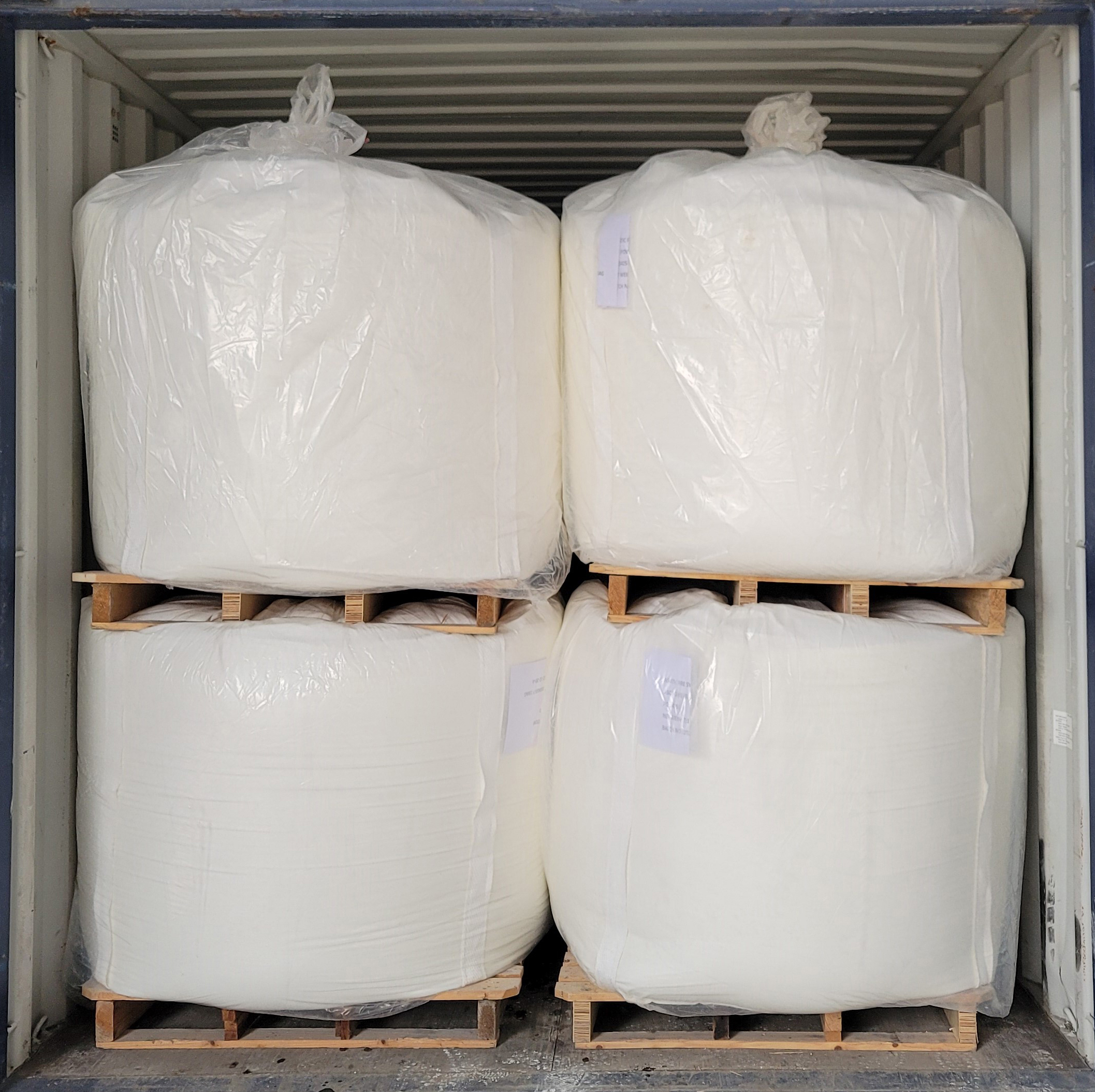
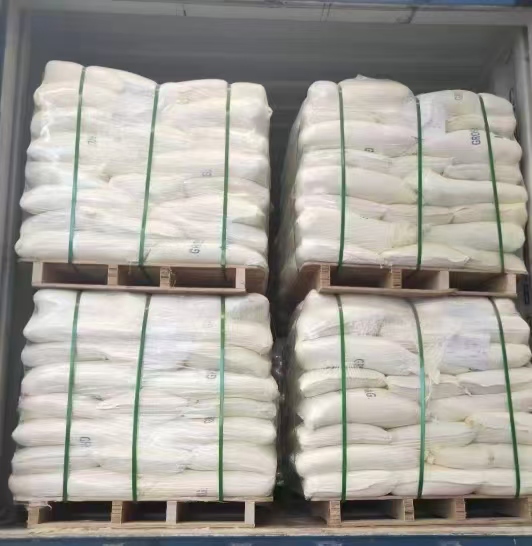
High-quality packaging plays a critical role in minimizing transportation impact. Proper packaging solutions include:
moisture-barrier inner liners
vibration-resistant containers
sealed valve protection
desiccant integration
These measures support consistent fire suppression performance and reduce the risk of powder caking during long-distance transport.
6. Quality Control Before and After Shipment
Professional suppliers implement quality control procedures not only at production, but also before shipment and after transportation simulation tests.
Effective quality control includes:
vibration resistance testing
moisture ingress evaluation
flowability checks
discharge simulation
These steps help confirm that dry chemical powder maintains its intended fire suppression performance after logistics stress.
7. What Buyers Should Ask Suppliers
International buyers can reduce risk by asking the right questions:
Has the powder been tested for transportation impact?
What anti-caking measures are used?
Is packaging designed for long sea freight?
Are post-transport quality inspections performed?
Transparent answers indicate strong quality control systems and reliable dry chemical powder supply.
8. Long-Term Performance Starts with Logistics
Many extinguishing failures are not caused by poor formulation, but by overlooked logistics factors. Managing transportation impact is essential for maintaining fire suppression performance, especially in export markets with long shipping cycles.
Controlling powder caking during transport ensures that dry chemical powder performs exactly as expected when finally deployed.
9. Conclusion
Transportation is a critical yet underestimated phase in the life cycle of dry chemical powder. Vibration, humidity, and temperature fluctuations all contribute to hidden performance risks.
Through proper packaging, controlled logistics, and strict quality control, suppliers can preserve powder integrity and ensure consistent fire suppression performance upon arrival. For international buyers, understanding transportation-related risks is key to selecting reliable fire protection products.