Introduction
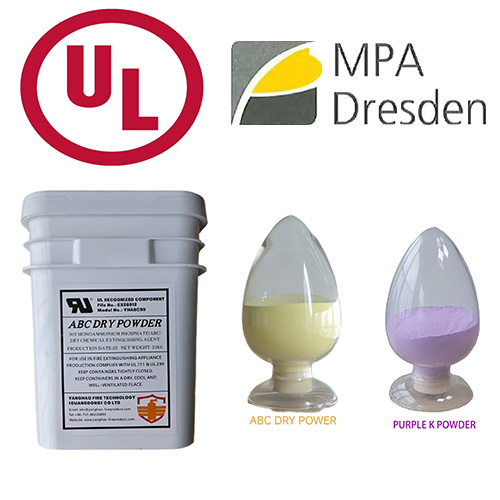
Choosing between ABC powder and Purple K is a common question for fire protection distributors and industrial buyers. Both are dry chemical agents, but they are designed with different priorities in mind.
ABC powder is known for its versatility across several common fire classes, while Purple K is particularly valued for rapid flame knockdown in flammable liquid and gas fire applications. Understanding this difference can help buyers select the right dry chemical powder for a specific market or industry.
What Makes ABC Powder Different?
The main active ingredient in ABC powder is monoammonium phosphate. This formulation gives ABC products their ability to deal with Class A fires as well as many Class B and C applications.
This versatility makes ABC powder suitable for:
Commercial buildings
Warehouses
Workshops
Vehicles
General industrial applications
For buyers who need one agent for multiple common hazards, ABC is often the practical choice.
Where Purple K Has an Advantage
Purple K is based on potassium bicarbonate rather than monoammonium phosphate. Its main advantage is rapid flame knockdown, particularly for flammable liquid and gas fires.
This makes Purple K attractive for applications such as:
Oil and gas facilities
Refineries
Aircraft and airport facilities
Industrial plants
Fuel storage areas
When rapid flame suppression is the main priority, Purple K can offer excellent fire suppression efficiency.
ABC Powder or Purple K?
The choice should depend on the hazard rather than simply the product price.
Choose ABC powder when:
Multiple fire classes need to be covered
Class A protection is important
General-purpose fire protection is required
Cost-effective versatility is a priority
Choose Purple K when:
Flammable liquid fires are a major concern
Gas fire hazards are present
Rapid flame knockdown is required
Industrial fire protection is the main application
What About Monoammonium Phosphate?
The difference in chemistry is one of the most important distinctions between these products.
Monoammonium phosphate gives ABC powder its multipurpose characteristics. Purple K uses potassium bicarbonate and is optimized for different fire scenarios.
Therefore, buyers should not compare the two products only by active ingredient percentage. Their intended applications and test performance are more important when selecting a dry chemical powder.
Performance Is More Than Chemical Composition
A high-quality dry chemical powder needs more than the correct chemical formula. Particle characteristics, flowability, moisture resistance, and manufacturing quality can all influence final performance.
For both ABC powder and Purple K, these factors affect discharge consistency and overall fire suppression efficiency.
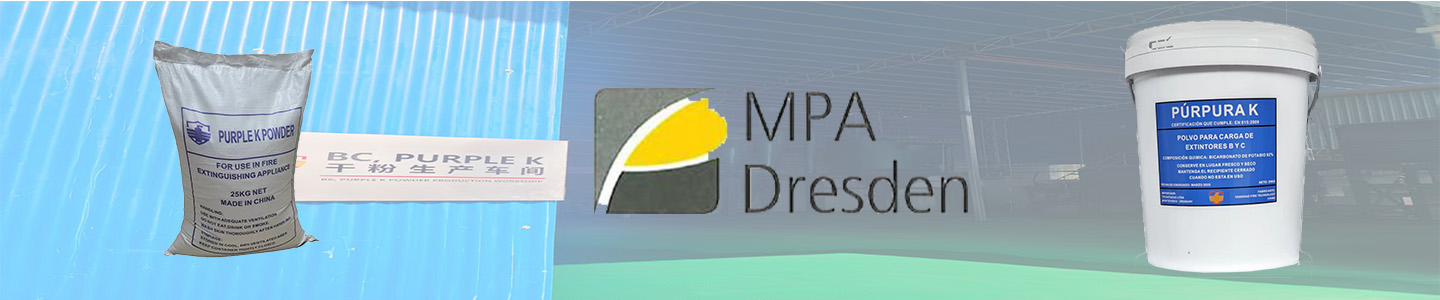
Buyers should therefore review technical data and applicable certification documents before making a purchasing decision.
Final Thoughts
There is no universal answer to whether Purple K or ABC powder is better. Each product has its own strengths.
ABC powder, with monoammonium phosphate as its primary active ingredient, is a versatile choice for general fire protection. Purple K is better suited to situations where rapid suppression of flammable liquid and gas fires is the primary requirement.
For distributors and industrial buyers, the best approach is to match the dry chemical powder to the actual fire hazard, application, and local requirements. The right selection can improve protection while maximizing fire suppression efficiency.