Why Shipping Conditions Matter
For international buyers, purchasing quality dry chemical powder is only the first step. The product must also arrive in good condition after a long journey by sea or land.
Moisture exposure, damaged packaging, contamination, and improper handling can affect the condition of fire extinguishing powder during transportation. These issues may lead to complaints, delays, and additional costs for importers.
For exporters, protecting product quality requires attention to packaging, container loading, and shipment inspection.
1. Choose Suitable Packaging
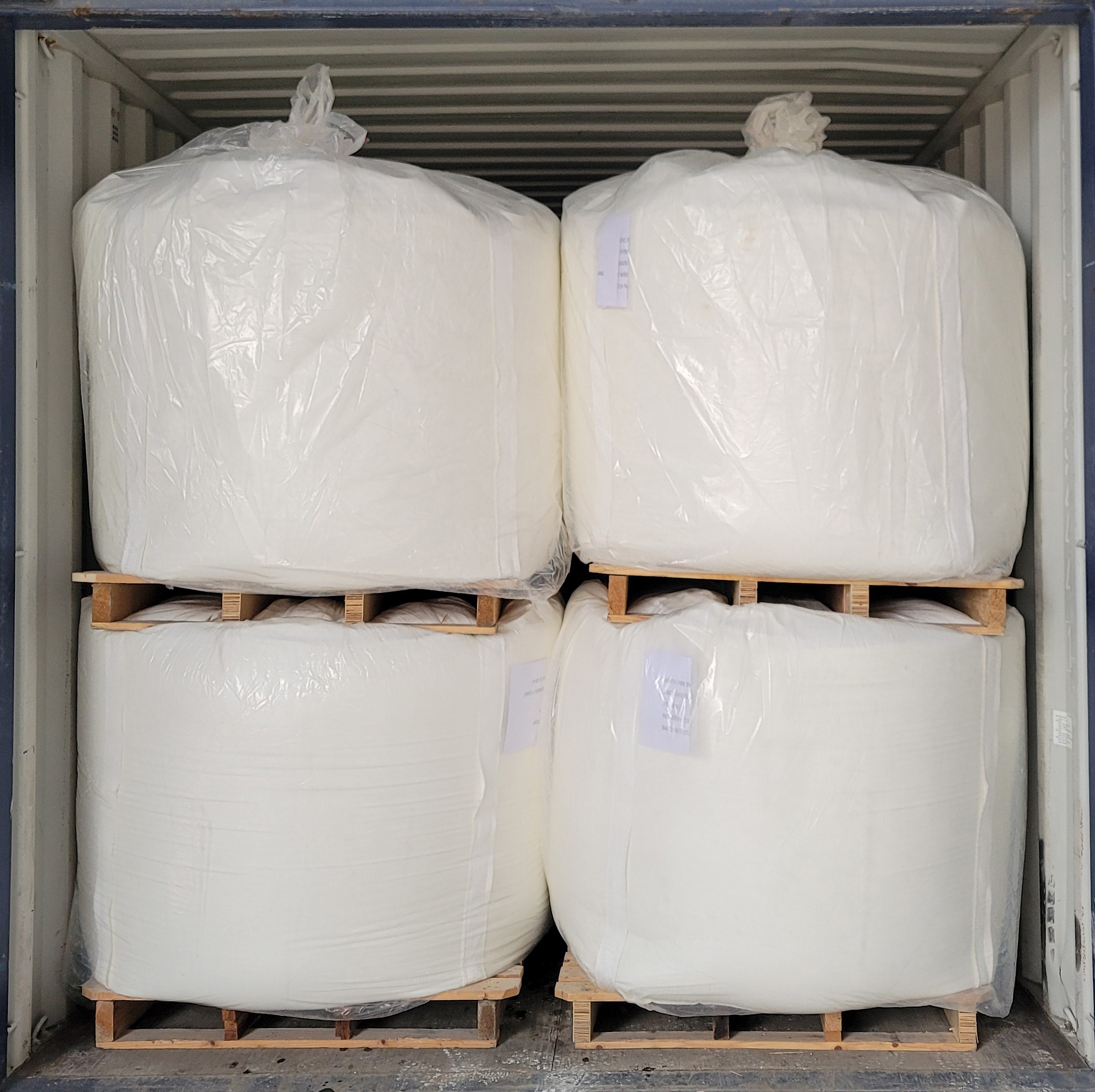
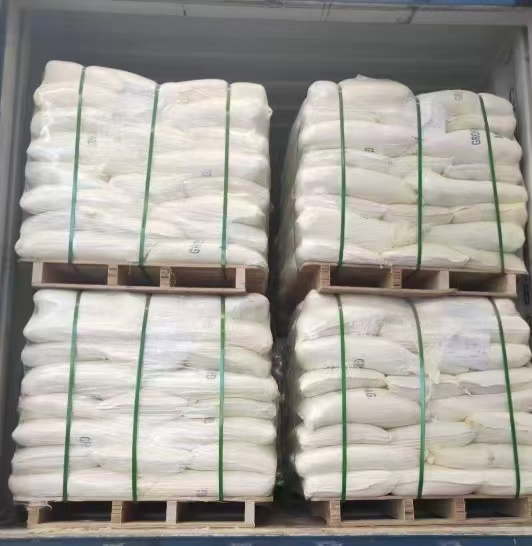
Fire extinguishing powder packaging should protect the product from moisture, contamination, and physical damage.
Depending on the customer's requirements, products may be packed in bags, drums, or other suitable industrial packaging. The packaging must also be compatible with the product specification and transportation conditions.
Before shipment, exporters should check that packages are properly sealed, clearly labeled, and free from visible damage.
2. Control Moisture Exposure
Moisture is an important concern for many types of dry chemical fire extinguishing agent.
If powder absorbs moisture, its physical properties may change. In some cases, the powder may cake or become less free-flowing, potentially affecting discharge performance.
To reduce this risk, exporters should ensure that packaging is intact and that containers are dry before loading. Packages should also be protected from rain and other sources of water during handling.
Effective moisture protection starts before the container leaves the factory.
3. Inspect the Container Before Loading
A clean, dry container helps reduce the risk of damage during transportation.
Before loading, staff should inspect the container floor, walls, roof, and doors for signs of water leakage, excessive condensation, dirt, or other contamination.
If the container is wet or damaged, the issue should be resolved before the cargo is loaded.
Packages should be arranged securely to reduce movement during transit. Loading methods should follow the cargo's weight limits and applicable transportation requirements.
4. Check Packaging and Shipment Records
A simple pre-shipment inspection can prevent avoidable problems.
Exporters should check package quantities, labels, batch information, and visible packaging condition. Photographs taken before and during loading can also help document the shipment.
For regular customers, consistent inspection procedures make it easier to trace issues and improve future shipments.
These steps are particularly useful when exporting fire safety products to customers who require stable quality across multiple orders.
5. Work With an Experienced Logistics Partner
International shipping involves several parties, including factories, freight forwarders, carriers, and destination agents.
Clear communication helps ensure that the cargo is handled according to the agreed shipping plan. Exporters should confirm container arrangements, loading schedules, documentation requirements, and any special handling instructions in advance.
Buyers should also communicate their packaging and delivery requirements before production is completed.
Conclusion
Protecting dry chemical powder during export requires more than selecting good packaging. Container inspection, moisture control, careful loading, and proper shipment records all contribute to reducing transportation risks.
For exporters and importers, a consistent shipping process helps protect product condition, avoid unnecessary claims, and support long-term business relationships.
At Yanghao Fire Technology, product quality and export handling are important parts of supplying dry chemical fire extinguishing agents to international markets.