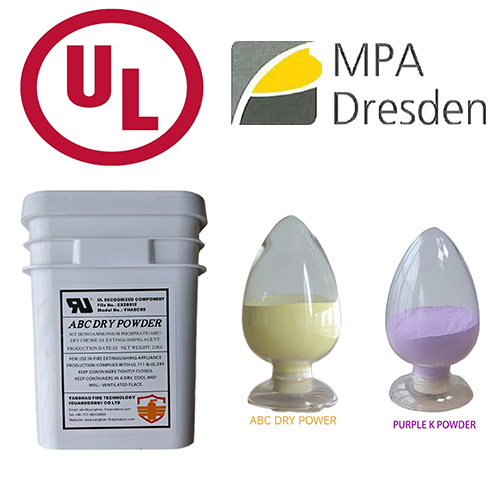
Can Purple K Powder Be Used in Automatic Fire Suppression Systems?
Automatic fire suppression systems are designed to detect and control fires with limited human intervention. They are commonly considered for facilities where fire can develop quickly or where immediate manual response may be difficult.
Purple K powder is a potassium bicarbonate-based dry chemical agent that can be used in certain specially designed fire suppression applications. However, its suitability depends on the system design, equipment specifications, applicable standards, and the hazard being protected.
Purple K should not be selected simply because it has a strong reputation for rapid flame suppression. The agent and the suppression system must be compatible.
How an Automatic Suppression System Works
An automatic fire suppression system normally includes several key components:
Fire detection or activation device
Control mechanism
Agent storage container
Discharge piping or hose
Nozzles
Dry chemical extinguishing agent
When the system detects a fire or receives an activation signal, it releases the stored agent through the discharge equipment. The powder is then distributed into the protected area or toward the fire hazard.
The actual operating process varies between systems. Some use thermal activation, while others rely on detection equipment, mechanical release, or an external control signal.
For this reason, the selected dry chemical fire extinguishing agent must meet the requirements of the specific system.
Why Purple K Is Considered for Automatic Systems
The main active ingredient in Purple K is potassium bicarbonate. It suppresses flames by interfering with the chemical reactions that maintain combustion.
This chemical action makes Purple K suitable for consideration in systems designed for rapid flame control, especially where the fire hazard requires a fast response.
However, the performance of an automatic system depends on more than the agent’s chemical properties. The system must release an adequate quantity of powder and distribute it effectively within the required time.
Important factors include:
Agent concentration
Discharge duration
Nozzle arrangement
Storage pressure
Protected volume
Fire characteristics
Detection and activation speed
A suitable agent must therefore be evaluated together with the complete system.
Agent Compatibility Is Essential
Not every dry chemical powder can be used in every automatic suppression system.
Equipment manufacturers may specify particular requirements for powder flowability, particle characteristics, chemical composition, and discharge behavior. These requirements help ensure that the agent can pass through the system without causing operational problems.
Before using Purple K powder, buyers should confirm the following:
System approval: Is the agent approved or accepted for the intended equipment?
Discharge compatibility: Can the powder be discharged properly through the specified piping and nozzles?
Storage requirements: Is the agent suitable for the system’s storage conditions and pressure design?
Performance testing: Has the complete system been tested for the intended fire hazard?
Maintenance requirements: Can the agent be inspected, replaced, or refilled according to the equipment manufacturer’s instructions?
These checks can prevent problems caused by using an agent that is chemically suitable but mechanically incompatible.
The Importance of Powder Flowability
Flowability is a critical physical property for a dry chemical agent used in fire suppression equipment.
During activation, the powder must move through the storage and discharge system at a controlled rate. Poor flowability may lead to blockages, inconsistent discharge, or incomplete distribution.
For an automatic fire suppression system, these problems can affect the overall reliability of the equipment.
Manufacturers should pay attention to the powder’s moisture content, particle distribution, formulation, and packaging quality. Stable production conditions help maintain consistent performance between different batches.
A professional dry chemical fire extinguishing agent supplier should be able to provide technical information about the powder’s physical properties and recommended handling conditions.
What Should Importers Ask Purple K Suppliers?
When purchasing Purple K for fire suppression equipment, importers should communicate the intended application clearly.
For example, the supplier may need to know:
The type of suppression system
The equipment manufacturer
The required agent specification
The target market and applicable standards
Packaging requirements
Expected order volume
Required technical documents
The supplier should not make broad claims that a powder is suitable for every automatic system. Compatibility must be verified based on the system’s technical requirements.
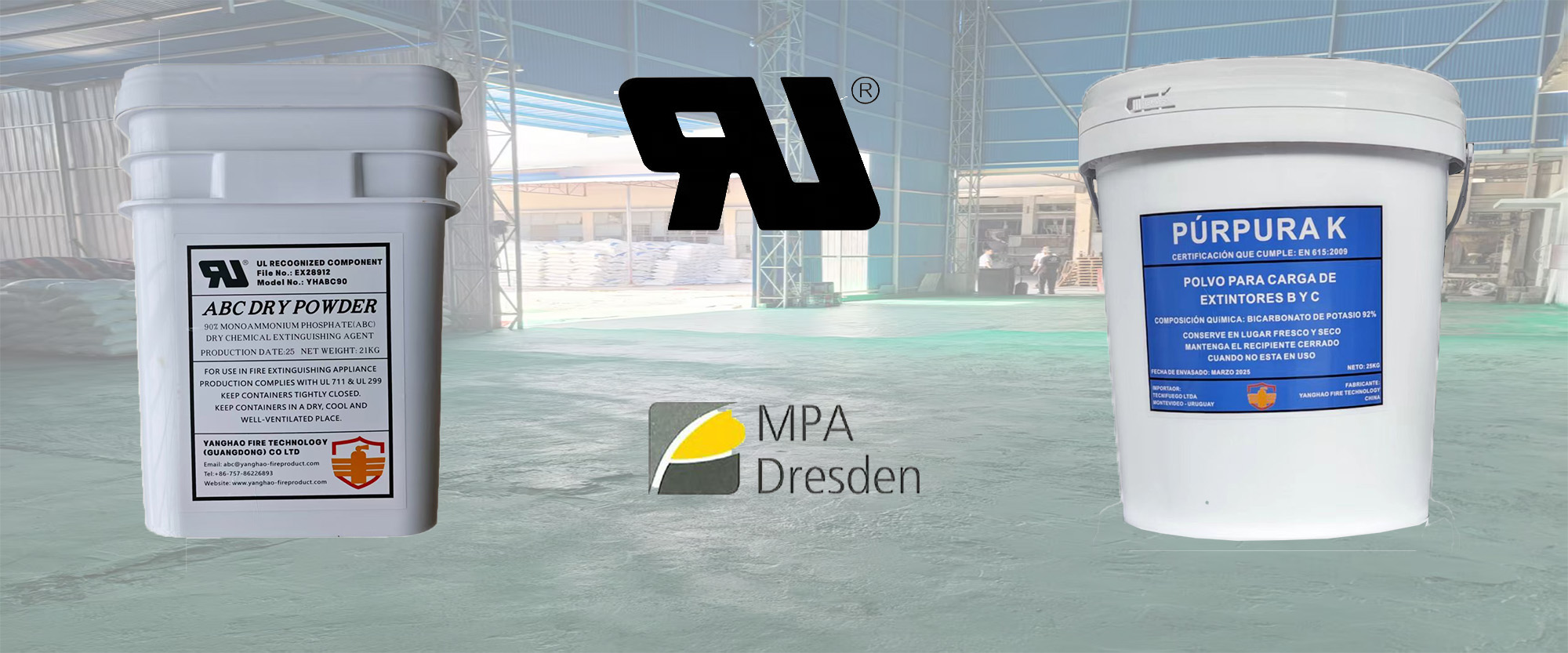
In addition to information about potassium bicarbonate, buyers should request relevant product documentation, such as a technical data sheet, safety data sheet, batch information, and available test or certification documents.
Certification and System Testing
Certification requirements differ according to the product, equipment, country, and intended application.
A certification for the powder itself does not necessarily mean that the powder is approved for every automatic fire suppression system. In many cases, the complete system must also meet specific testing and approval requirements.
Buyers should therefore distinguish between:
Certification or testing of the extinguishing agent
Certification of the fire suppression equipment
Testing of the complete system for a specific hazard
This distinction is particularly important for distributors and equipment manufacturers serving international markets.
Before placing a large order, buyers should confirm which documents are required by their customers, authorities, and certification bodies.
Packaging and Transportation Considerations
The quality of the powder can be affected if packaging does not adequately protect it during transportation and storage.
For export orders, packaging should be selected according to the quantity, transportation method, storage period, and customer requirements.
Common commercial options may include bags, drums, or other industrial packaging formats. The packaging should help prevent contamination, moisture exposure, and product loss during handling.
The supplier should also provide accurate product identification and documentation to support customs clearance and safe handling.
Selecting a Professional Purple K Manufacturer
For automatic fire suppression applications, purchasing decisions should be based on more than price or active ingredient content.
A reliable manufacturer should focus on:
Stable raw material control
Consistent production processes
Physical property testing
Batch traceability
Suitable packaging
Technical documentation
Export experience
At Yanghao Fire Technology, we provide dry chemical fire extinguishing agents for international customers and support buyers with product information and export coordination.
Customers interested in Purple K powder should communicate their equipment and application requirements before selecting the final product specification.
Conclusion
Purple K powder can be considered for certain automatic fire suppression systems, but its suitability depends on the equipment design, system requirements, and applicable testing standards.
The potassium bicarbonate formulation provides chemical flame suppression, while powder flowability, discharge performance, and system compatibility influence practical results.
For buyers, the safest purchasing approach is to evaluate the agent and the equipment as one complete solution. Clear technical communication and reliable manufacturing control can help reduce compatibility problems and support consistent fire protection performance.