Introduction
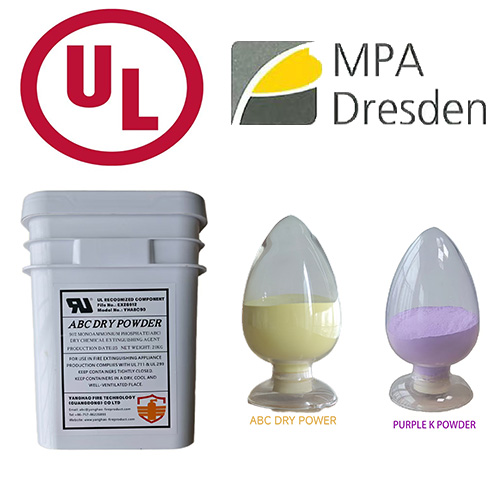
Not every fire behaves in the same way. Wood, paper, gasoline, and flammable gases require different approaches to extinguishment. This is one reason ABC powder has become one of the most widely used fire extinguishing agents.
An ABC powder extinguisher is designed to handle several common fire classes, making it suitable for many commercial, industrial, and residential applications. Its main active ingredient, monoammonium phosphate, helps interrupt combustion and provides effective fire suppression efficiency across multiple fire scenarios.
Understanding where dry chemical powder works best can help buyers select the right dry chemical fire extinguishing agent for their market.
Class A Fires
Class A fires involve ordinary combustible materials such as:
Wood
Paper
Cardboard
Textiles
Some plastics
These materials can continue burning after the visible flame has been reduced. ABC powder helps suppress the flame and forms a protective layer over the burning material.
The monoammonium phosphate in the dry chemical powder plays an important role in interrupting the combustion process.
For offices, warehouses, schools, workshops, and other buildings containing ordinary combustibles, ABC extinguishing agents can provide practical protection.
Class B Fires
Class B fires involve flammable liquids such as gasoline, diesel, solvents, and certain industrial chemicals.
In these situations, rapid flame knockdown is especially important. A properly formulated dry chemical fire extinguishing agent can quickly interrupt the flame reaction and reduce the intensity of the fire.
The rapid discharge and wide distribution of ABC powder contribute to its effectiveness against many Class B fire scenarios.
Class C Fires
Class C classifications generally relate to fires involving flammable gases, although the exact definition can vary between fire safety standards and regions.
When dealing with gas fires, controlling the fuel supply remains essential. An extinguisher should not be considered a substitute for shutting off the gas source when this can be done safely.
Dry chemical powder can provide rapid flame suppression, while the monoammonium phosphate formulation contributes to the overall fire suppression efficiency of the agent.
Why One Powder Can Handle Multiple Fire Classes
The main advantage of ABC powder is its versatility.
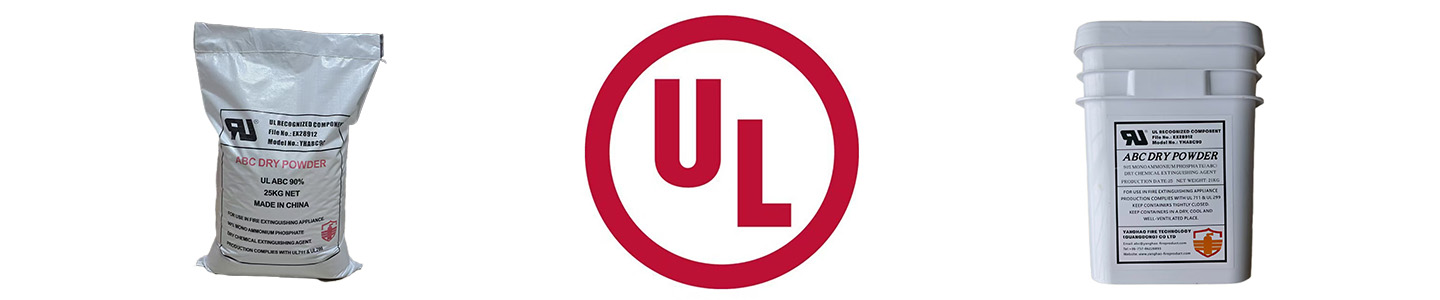
Instead of using separate extinguishing agents for every common fire type, one dry chemical fire extinguishing agent can provide protection against several classes.
This makes ABC products attractive for:
Commercial buildings
Warehouses
Workshops
Manufacturing facilities
Vehicles
General industrial applications
For distributors, this versatility can also simplify product selection and inventory management.
Is ABC Powder Suitable for Every Fire?
No. The term “ABC” does not mean that the powder is suitable for every possible fire.
Specialized hazards may require other extinguishing agents. For example, fires involving certain reactive metals require dedicated Class D powders, while commercial cooking oil fires typically require wet chemical agents.
Choosing the correct dry chemical powder depends on the actual fuel, equipment, and applicable fire safety standard.
Why Product Quality Still Matters
Not all ABC powder products deliver identical results. Formulation, monoammonium phosphate quality, particle characteristics, and manufacturing control can all influence performance.
For buyers, it is therefore important to evaluate the technical specifications and test documentation of the dry chemical fire extinguishing agent rather than relying on the ABC label alone.
A properly formulated product provides more predictable fire suppression efficiency and better reliability in practical applications.
Choosing the Right ABC Powder
When sourcing dry chemical powder, buyers should consider:
Target fire classes
Local certification requirements
Active ingredient content
Fire test performance
Packaging and storage conditions
Supplier quality control
These factors help ensure that the selected ABC powder is suitable for the intended market and application.
Conclusion
ABC powder is widely used because it can provide protection against common Class A, B, and C fire hazards. Its versatility comes from the formulation of the dry chemical powder, particularly the role of monoammonium phosphate in suppressing combustion.
However, ABC products are not universal solutions for every type of fire. Buyers should always consider the actual hazard, local standards, and verified performance when selecting a dry chemical fire extinguishing agent.
Choosing the right product for the right fire is the foundation of reliable fire suppression efficiency.